Category Archives: Dutch pieces

Red, white and Afro-Blue
(De Nederlandse vertaling staat hieronder)
Two of many hopes for the Dutch theatre world
1.
If I was a betting woman, I’d say “Discover the world of…” is one of the top three most overused phrases in the Dutch cultural sector. Together with a variation of invitations to witness something ‘grensverleggend’ (ground breaking), most promotional texts promise a most spectacular form of newness. Why tho’? Have we truly reached a stage where we think only mindblowing newness is worth our attention? And, how is this linked to our ability to be in conversation with people? To actually keep a conversation going?
With the exception of teachers, I’m suspicious of people who primarily make work for people who are completely new to the topics/themes/realities they’d like to discuss. And/or, whose invitations to their work are written in such a way that they appeal to people who have to be introduced to and drawn in. Because, unless we’re talking about some serious-serious worldbuilding or mythmaking like we see in the works of Nnedi Okorafor, N.K. Jemisin and Jennifer Nansubuga Makumbi… aren’t these New Worlds our circles of families and friends? The places we go for relaxation? To escape and be safe? Aren’t these New Worlds our kitchens and book shelves, aren’t they the stories our aunts and uncles learned from their grandparents? Aren’t they the genres we needed… and therefor invented? I recently came across a promotional text of a Bijlmer-based organization that said something like “Welcome to the Bijlmer” or “Come discover the Bijlmer”. As someone who lives in the Bijlmer and who has childhood memories of it, I decided that the date of this particular event was an actual date to just relax on my sofa.
Personally, I’m most interested in promotional texts write from and towards the research of the artist(s), from and towards their references. As comfy as my sofa is, I’m absolutely not rolling off it to “Discover the world of Black horror!” It sounds too much like you’re inviting me to leave my home so we can read Jordan Peele’s Wikipedia-page together. But, if you share something about how the movies, books, short stories, etc. you enjoyed inspired the play you made and/or the conversation you’d like to have… now I’m in the hallway, putting on my shoes and texting my friends that I’ll probably be there early.
Long story summarized: In the new year, please step away from the hollow spectacle, (re)consider your audience(s) and give us some actual information. True, rewriting these texts takes time. Perhaps these folks can use the time they’re not spending on openly condemning certain politicians’ anti-Muslim statements.

2.
A few Dutch cities really pride themselves on being so international. What do these claims mean for these cities’ theatre loving population and tourists who don’t speak Dutch? True, there are plays with little to no text. And, performances that include English poems and/or samples. But, what about text-based theatre? I hope 2025 brings us at least the preparations of a five city tour of three plays in Kriol, Papiamentu, Somali, Arabic, Spanish, Portugese, Tigrinya, English… With the understanding, of course, that ‘international’ shouldn’t always mean ‘in English’.
——- Nederlandse vertaling ——-
Twee van de vele dingen die ik hoop voor de Nederlandse theaterwereld

1.
Als ik zou gokken, zou ik zeggen dat “Ontdek de wereld van…” een van de drie meest over-gebruikte uitdrukkingen van de Nederlandse culturele sector is. Samen met een verscheidenheid aan uitnodigingen om getuige te zijn van iets ‘baanbrekends’, beloven de meeste promotionele teksten de bezoeker een uiterst spectaculaire vorm van nieuwheid. Voor wat? Hebben we werkelijk een stadium bereikt waarin we denken dat alleen verbazingwekkende nieuwheid onze aandacht verdient? En, wat zegt dit over ons vermogen om met mensen in gesprek te gaan? Om daadwerkelijk een gesprek gaande te houden? Ik kijk met een schuin hoofd naar mensen -docenten uitgezonderd, natuurlijk- die vooral werk maken voor degenen voor wie de onderwerpen/thema’s/werkelijkheden die ze graag willen bespreken, compleet nieuw zijn. Met diezelfde schuinte aanschouw ik promotionele teksten die slechts spreken tot mensen die nog geïntroduceerd en betrokken dienen te worden.
Want tenzij we het hebben over serieus-serieuze world building of mythe-maken zoals we zien in de werken van Nnedi Okorafor, N.K. Jemisin en Jennifer Nansubuga Makumbi… zijn deze Nieuwe Werelden toch gewoon onze familie- en vriendenkringen? De plekken waar we naartoe gaan voor ontspanning? Waar we veilig zijn plus kunnen en mogen ontsnappen? Zijn deze Nieuwe Werelden niet gewoon onze keukens en boekenplanken, zijn dit niet de verhalen die onze tantes en ooms van hun grootouders leerden? Zijn deze Werelden niet gewoon de genres die we nodig hadden… en daarom bedachten? Ik kwam onlangs een promotietekst tegen van een organisatie in de Bijlmer die zoiets schreef als “Welkom in de Bijlmer” of “Kom en ontdek de Bijlmer”. Als iemand die in de Bijlmer woont en er jeugdherinneringen aan heeft, besloot ik dat de datum van deze specifieke gebeurtenis een perfecte dag was om lekker op de bank te blijven hangen.
Zelf ben ik het meest geïnteresseerd in promotionele teksten die geschreven zijn vanuit en richting het onderzoek van de kunstenaar(s), vanuit en naar die referenties. Mijn bank is te comfortabel om er af te rollen voor een “Ontdek de wereld van Black Horror!”-achtig programma. Dit klinkt teveel alsof je me uitnodigt om mijn huis te verlaten, zodat we samen de Wikipedia-pagina van Jordan Peele kunnen lezen. Maar als je iets vertelt over de manier waarop de films, boeken, korte verhalen, etc. je leuk vonden, inspireerden tot het toneelstuk dat je maakte en/of het gesprek dat je graag zou willen voeren… nu ben ik in de gang, trek ik mijn schoenen aan en Ik sms mijn vrienden dat ik er waarschijnlijk vroeg zal zijn.
Lang verhaal samengevat: stap in het nieuwe jaar eens af van de uitgeholde spektakels, (her)overweeg tot welke publieksgroep(en) je spreekt en geef ons eens wat echte informatie over het stuk/programma. Zeker, het herschrijven van deze teksten vergt tijd. Wellicht kunnen deze mensen de tijd gebruiken die ze niet besteden aan het veroordelen van de anti-Moslim statements van bepaalde politici.

2.
Een paar Nederlandse steden stellen vol trots dat ze heel internationaal zijn. Wat betekent dit concreet voor de theaterliefhebbende inwoners van deze steden en voor de toeristen die geen Nederlands spreken? Zeker, er zijn toneelstukken waarin weinig tot niet gesproken wordt. En, er zijn stukken met Engelse gedichten en/of samples. Maar hoe zit het met teksttheater? Hopelijk brengt 2025 ons in ieder geval de voorbereidingen van een vijf-stedelijke-tour van drie toneelstukken in Kriol, Papiamentu, Somali, Arabisch, Spaans, Tigrinya, Portugees, Engels… Met uiteraard de kanttekening-notitie dat ‘internationaal’ niet altijd ‘in het Engels’ hoeft te betekenen.
Articles: Comvalius, Poitier and Washington
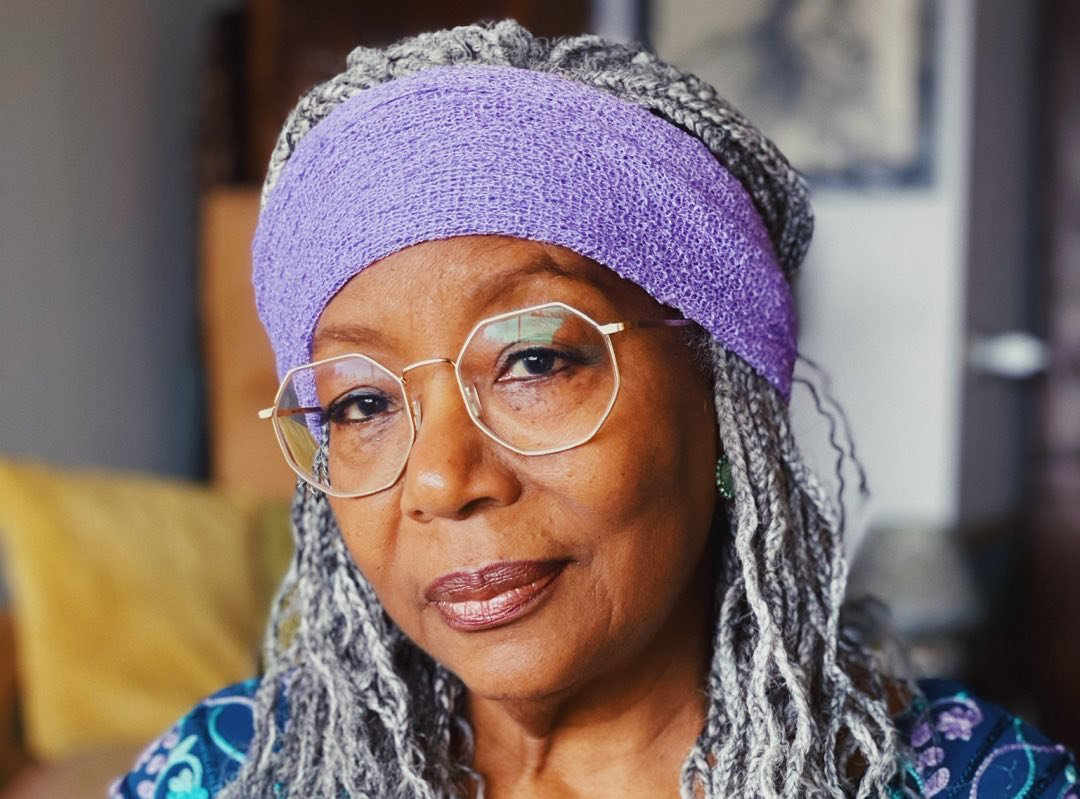
“What she also longs for: more ownership. More studying. More stories in which our pain doesn’t sound like an invitation to stand on the edge of our traumas, look deep into our wounds and there, with faces hanging over the Lake of Black Tears, fall in love with reflections of whiteness. More decolonial thinking Black playwrights, dramaturges, drama school teachers and critics.
In one of the letters published in her informal autobiography To Be Young, Gifted And Black, playwright Lorraine Hansberry writes: ‘I believe that we can impose beauty on our future.’ This imposing of beauty always reminds me of that which Chrisje Comvalius is the personification of and that what she urges those of us lucky enough to enjoy her view to always keep in mind: ‘Create and demand work that reflects our dignity.’”
Excerpt from my article about Afro-Dutch actress Chrisje Comvalius for Theaterkrant (Theatre newspaper). Published: June 27, 2022. This article is in Dutch.

“Two birds in one night…” It’s March 24 2002, the evening that the institution we know as the Oscars stretched their credibility to such a maximum that they hád to grant Denzel Washington an Oscar. Denzel, titan. The absolute best who shines in every film. So absolutely, he was great in his role as detective Alonzo Harris. Nevertheless, it is only in the context of white comfort and the imagination it hijacks, that we can explain why he didn’t win the Oscar for Best Male Actor for his roles as al-Hajj Malik al-Shabazz, better known as Malcolm X, or Rubin ‘The Hurricane’ Carter, but specifically for Training Day.
(…)
What remains is the cliché question: “Who, here in the Netherlands, is our Denzel Washington?” With the answers I’ve heard so far, I think we mean: “These are great actors who we’d love to see have careers similar to Denzel’s.” With our answers, we refer to those who would be capable. From Emmanuel Ohene Boafo, José Montoya, Werner Kolf and Adison dos Reis to Kenneth Herdigein, from Akwasi and Yannick Jozefzoon to Felix Burleson… we’ve got some excellent actors who, of this I’m 100% certain, could be the answer to the question. But, to be honest… with the current range of Dutch films and plays, how would we know?”
Excerpt from my article about Black, intergenerational mentorship among Afro-Dutch actors plus the love between Sidney Poitier and Denzel Washington. I wrote this piece as part of the Poitier and Washington-festival organized by Eye cinema (Amsterdam). I wrote the Dutch one and Eye provided English translations. Published: August 12, 2022.
Afro-Nederlandse Studies at Bijlmer Parktheater
(This text is about the upcoming Afro-Dutch Studies event at Bijlmer Parktheater. The event will be in Dutch but I’ll write an English piece about this marvelous initiative by Zawdie Sandvliet later this month.)
Afro-Nederlandse Studies bij het Bijlmer Parktheater (Amsterdam) – Call for pitches
Zat. 18 januari organiseert Zawdie Sandvliet i.s.m. het Bijlmer Parktheater van 18.00 uur – 19.30 uur het Afro-Nederlandse Studies evenement. Locatie: Bijlmer Parktheater. Kaarten zijn via deze link te koop.
Het programma geldt als afsluiting van de tweede reeks lessen van het door Sandvliet geïnitieerde vak dat zich richt op de geschiedenissen en hedendaagse realiteiten van de Afro-Nederlandse gemeenschappen. In 2018 vonden de lessen plaats op de Universiteit van Amsterdam, in 2019 was het vak onderdeel van het curriculum op de Hogeschool van Amsterdam.
Als onderdeel van het aankomende event denken Sandvliet en zijn gastdocenten na over de uitbreiding van het vak. Wilt u/ wil je meedenken? In het programma hebben we ruimte voor drie korte presentaties/pitches van ieder max. twee minuten waarbij drie personen op basis van hun geleefde ervaringen vertellen welk onderwerp echt niet mag ontbreken bij het vak Afro-Nederlandse Studies.
Het insturen van een idee kan door het sturen van een e-mail naar afronlstudies@gmail.com. Vermeld in (jo)uw e-mail:
– Voor- en achternaam/namen
– Leeftijd
– Woonplaats
– De omschrijving van het onderwerp (minimaal 75, maximaal 125 woorden).
– Link naar (jo)uw persoonlijke Twitter, Instagram, Facebook of LinkedIn pagina zodat we een indruk hebben van wie we uitnodigen. Niemand heeft tijd voor trolls of problematische personen.
Ideeën kunnen tot maandag 13 januari 23:59 uur worden ingestuurd. Personen die een voorstel indienen, horen dinsdag in de ochtend van woensdag 15 januari of ze zijn geselecteerd om te presenteren.
 laZeefuik
You must be logged in to post a comment.