Author Archives: Zeefuik

GembertheeSessies and BPTUnpacks: The Color Purple – upcoming events

For February and March I’m organizing and hosting three events at Bijlmer Parktheater:
1. BPTUnpacks The Color Purple (Fri. February 23), a gathering centering Alice Walker’s legendary novel and its two film adaptations. Panelists: Romana Vrede (pictured here), Shirley Ahura, Ayra Kip and Simone Lagrand.
2. GembertheeSessies with Adrian Van Wyk (Thu. February 29), which will be a ginger spices conversation about film and the tracks of these imagined subway lines between Cape Town and Bijlmer.
3. GembertheeSessies with Kelechi Okafor (Sat. March 30), a sisterly reunion in celebration of Okafor’s debut collection of short stories ‘Edge of Here’.
Both GembertheeSessies are in collaboration with my favourite spot to drink ginger tea: poetry and cocktailbar Labyrinth. For all three events the lovely Bijlmer Bookstore will be present with a pop-up store. Below, you’ll find more info about each programs:
Friday February 23: BPTUnpacks The Color Purple
It’s been a while since our former Bijlmer Parktheater-colleague Saundra Williams organized one of our legendary programs: Black Magic Woman. It is in the spirit of that memory and with a longing for that vibe that program maker Simone Zeefuik would like to discuss a classic: The Color Purple. On Friday February 23 our downstairs studio will transformed into a cozy living room where we’ll discuss Alice Walker’s novels and its two film adaptations.
For a proper unpacking of this film -its main themes, the cinematography, the soundtrack and the ways in which both films are in conversation with each other- Zeefuik will be joined by four panelists:
– Shirley Ahura (London),
– Romana Vrede (Rotterdam),
– Simone Lagrand (Paris) and
– Ayra Kip (Amsterdam, Bijlmer-raised). It will be an evening full of Shug & Celie, quotes, memes and quiz questions. The winner of our ‘Blues women in film’ quiz will stroll out the door with a prize package put together by our panel.
Tickets for BPTUnpacks: The Color Purple can be bought via this page on the Bijlmer Parktheater-website.
Thursday February 29: GembertheeSessies with Adrian Van Wyk (Kaapstad/Cape Town)
For this year’s first edition of the GembertheeSessies (GingerteSessions) we’re connecting Bijlmer to Cape Town. We’ll do this through the works and research of writer, director, producer, curator and cultural worker Adrian Van Wyk. Simone Zeefuik interviews Adrian about his creative processes and his current research projects through which he links decolonial activism in the Netherlands and South Africa. The session opens with the screening of the short documentary What The Soil Remembers. Van Wyk is the producer and researcher of this short film directed by José Cardoso.
Adrian Van Wyk is a filmmaker/creative producer and cultural historian from Cape Town, South Africa. He completed a MA in History at Stellenbosch University. His dissertation, titled “From Jamaica to the Cape Flats: Reflecting on the manifestations of a Cape Town Hip Hop Culture”, unpacked the diasporic movements of Hip Hop culture onto the Cape Flats. In 2023, a documentary short film that Adrian produced and researched titled What the Soil Remembers enjoyed its world premiere at the International Film Festival Rotterdam (IFFR) where it was also awarded the Ammodo Tiger Short Award.
Tickets for the GembertheeSessies with Adrian Van Wyk can be bought via this page on the Bijlmer Parktheater-website.
Saturday March 30: GembertheeSessies with Kelechi Okafor
The awe-mazing, London based Kelechi Okafor will talk about her stunning debut collection of short stories: Edge of Here. With her book Okafor combines the ancient and the ultramodern to explore tales of contemporary Black womanhood, asking questions about the way we live now and offering a glimpse into our near future.
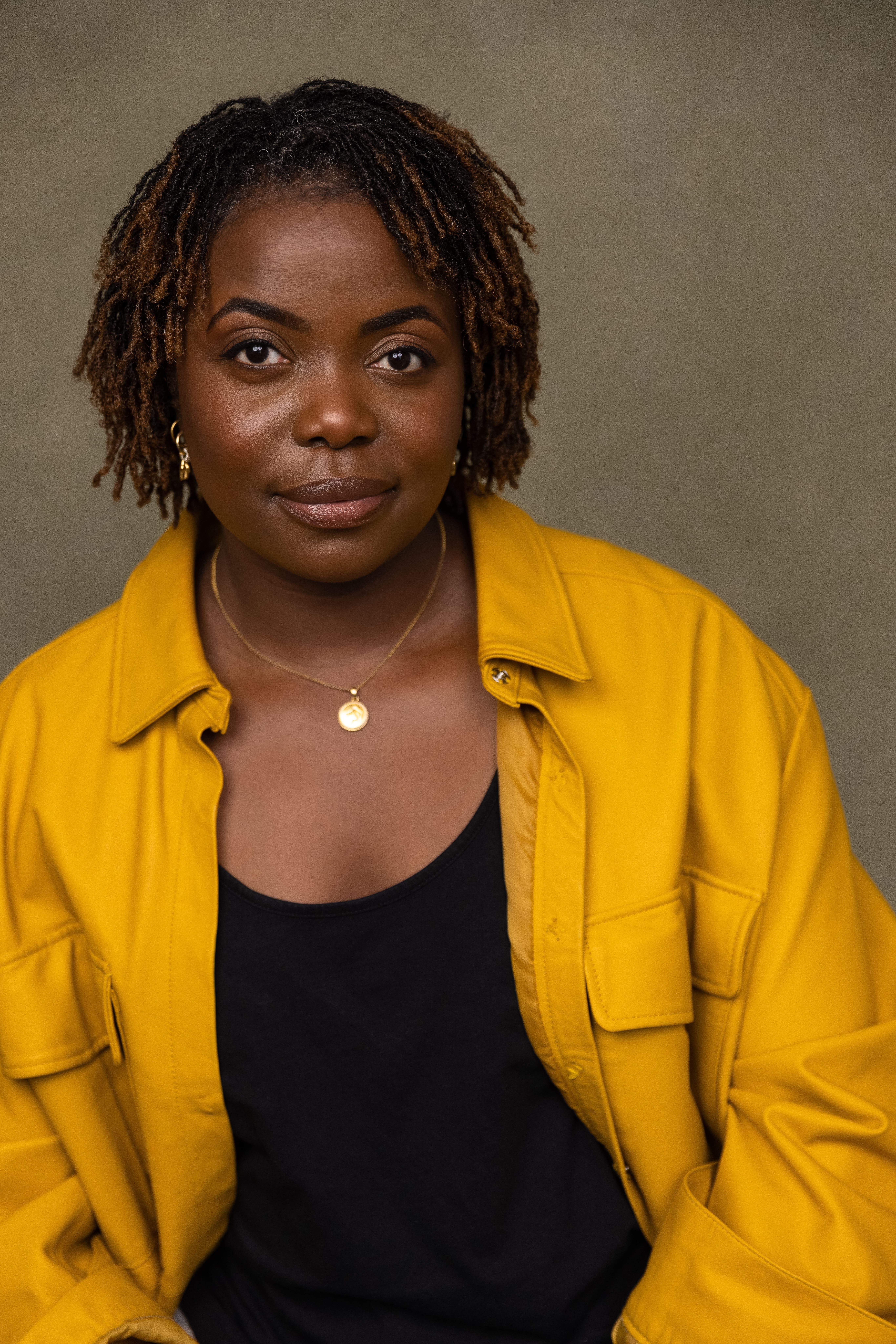
For her bio this Marvel from London writes: “Ke-leh-chee. That is how my name is pronounced. Now that is out of the way, hello! I am Kelechi Okafor and I’m a lover of words. I act, I direct and I write. I tweet and I dissect bits about society one podcast episode at a time. When I am not doing all of the above, I teach pole dance and twerk at my studio Kelechnekoff Fitness in Peckham. Society teaches us that we must fall into categories somehow. All I know is that I’m just a Baby Girl.”
Tickets for the GembertheeSessies with Kelechi Okafor can be bought via this page on the Bijlmer Parktheater-website.
Both GembertheeSessies are in collaboration with our beloved, much needed Bijlmer Bookstore and my favourite spot to drink ginger tea: poetry and cocktailbar Labyrinth. For all three events the Bijlmer Bookstore will be present with a pop-up store.
International Film Festival Rotterdam – tips
In the Netherlands there are two festivals that, for at least the last nine years, make me mark my calendar for the full duration of their activities. One of them is International Film Festival Rotterdam (IFFR). This year, the festival takes place from January 25-February 4. Their program is always packed-packed and I know that for some of us it’s a bit overwhelming to go through the entire festival schedule. Personally, I love it and, I’m happy to share my list:
Films
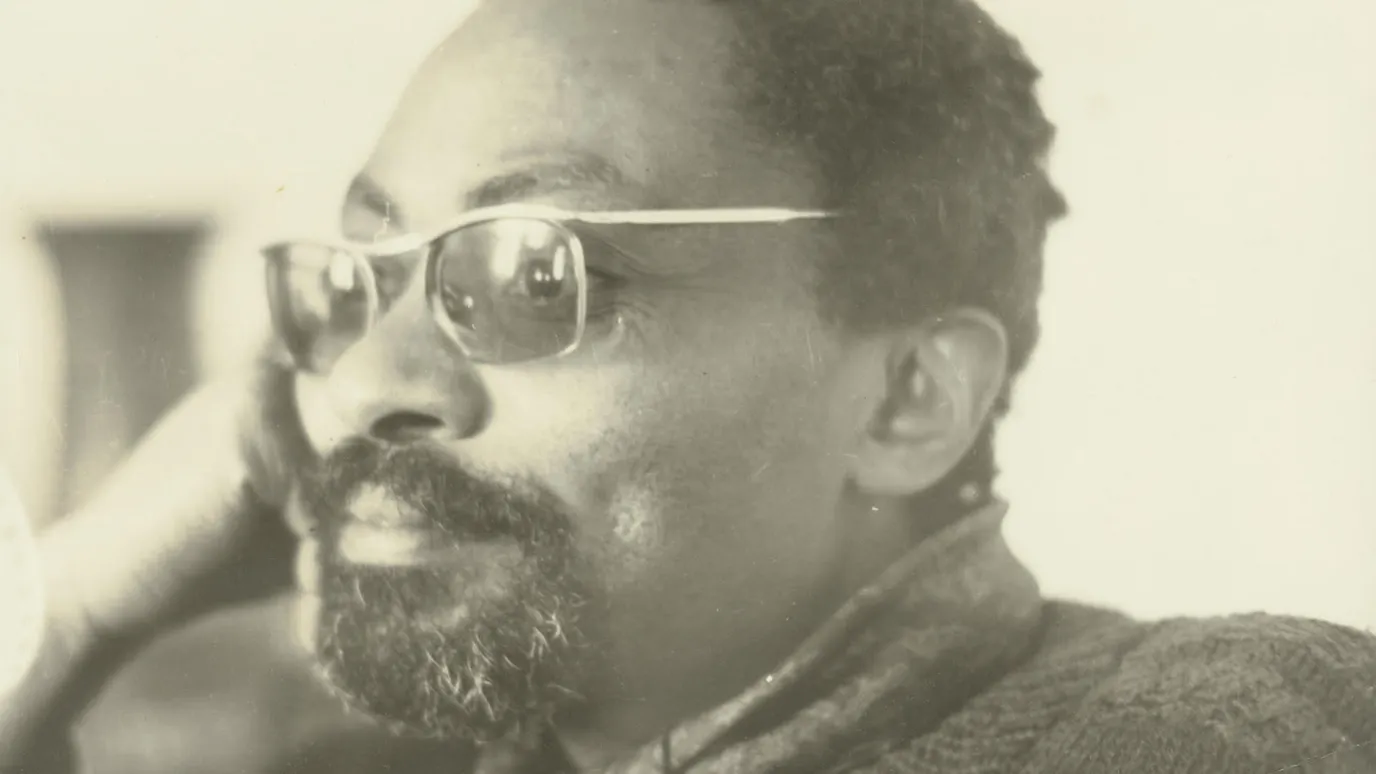
– Mário, directed by Billy Woodberry. This doc is described as: “biography of Angolan-born Mário Pinto de Andrade (1928-1990, seen on picture below), a key figure in African revolutionary and anti-colonial struggles.”
– The Ballad of Suzanne Césaire
– Madame Luna
– Remembering the riots in Afrikaanderwijk in 1972
– Nombre de guerra: Miguel Enríquez
– Tierra en trance
Each film has various dates and times on which they’re shown.
Talks
– Friday Jan. 26 – RTM Talks: Reclaiming Narrative
– Saturday January 27: Talk with Billy Woodberry (director of Mário).
“Say whatchu say”
1.
In the language that I believe needs to be spoken now, ‘context’ sounds too much as if we’re talking about the brand of the gasoline that’s used to set a world on fire. It sounds too much like the colour of the watch on the wrist that the trigger finger is being pulled towards. ‘Context’ now feels like saying ‘weather’ when you mean ‘climate’ or ‘bully’ when you mean ‘racist’. It’s like ‘background info’ when you mean ‘systematic structures’. Too many people in positions of power like to untether monstrously barbaric behaviour from the systematic structures that not just justify but precede it. They present history as the thing that’s tightly curled up behind us. Luckily, many of us know that history also drags itself forward under our feet. And, we are raising fists, voices and funds. Taking and giving care. Shutting down stations. Questioning organizations and institutions. Boycotting chains. We’re remembering while we’re witnessing. We’re taking notes and in them, we sample (and hopefully rightfully credit) the work that has already been done.
That famous question that’s often asked when savagely barbaric behaviour is discussed… “How did they/we/humanity let this happen?” That faux-philosophical question? We in the so-called West are literally in the midst of its answers. The biased and propagandic mainstream media coverage we’re getting? Government abstaining their votes for a ceasefire… even Ukraine who begged the whole world to save them from the war they’re in? The cacophonic silence and muffled cowardice of institutions and organizations whose social and financial capital is rooted in their claims to be for liberation, decolonization, social justice, inclusivity, etc.? It’s all part of the answer to the “How did they/we/humanity let this happen?”-question. This. All of it. All. We are living in its answers.
2.
Nisrine Elamin on Twitter: “Sudan now has the largest number of displaced people in the world 7.1 million (5.9 mil. newly war-displaced), very few countries have created special visa programs for Sudanese refugees and for many, their 6 month visas are about to expire.” (Posted on Oct. 25, 2023)
3.
@asxmaali on Twitter: “Speaking up for things that align with your values doesn’t ruin your career, it clears the way for you to have an ethical one.” (Posted on Nov. 5, 2023)
4. Salutes to Read My World for organizing this:
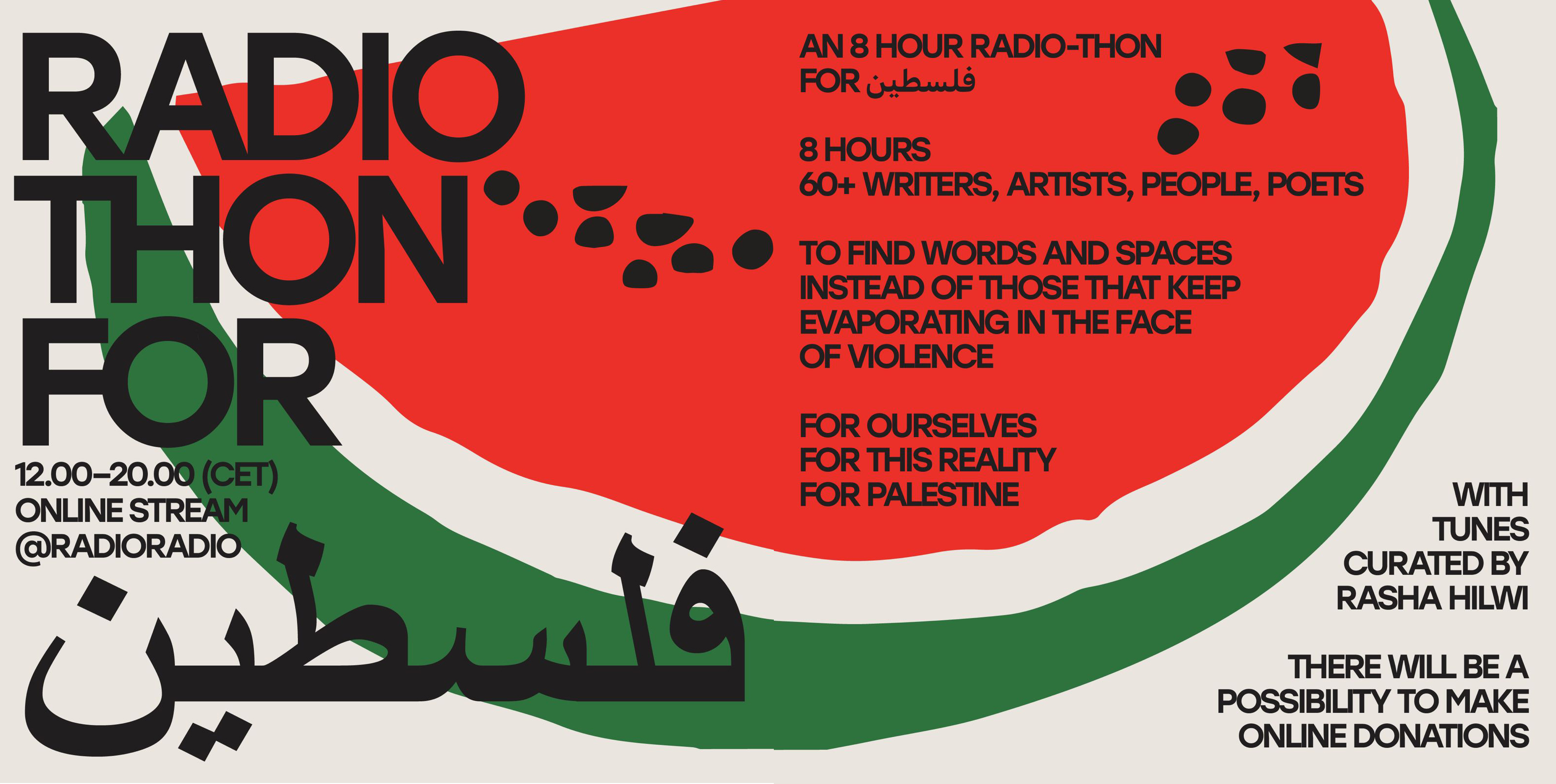
5.
How are the solidarity statements from your favourite cultural and/or art institutions coming along? Are your favourite spots really giving you what you would like to see from them? Or are they saving that energy for early March when it’s time for them to say: “Hey hey heeey, happy merry Ramadan! Be sure to click on the ticket link to secure your seats in our inclusivity circus! Really, marhaba!”
6.
During her lecture as part of Unsettling’s Black Presence-series at Amsterdam’s Sandberg Institute, DJ Scholar lynnée denise referenced an interview with Gordon Parks. denise discussed a quote of Parks talking about how, and I’m paraphrasing, you can’t change a depiction/reflection of a reality if you don’t change the conditions that create this reality. It reminded me of what Nina Simone said in the first part of this video below:
The video shows her live performance of the song Feelings during the Montreux Jazz Festival of 1976. Simone says: “I do not believe the conditions that produced a situation that demanded a song like that.” This then redirected my attention back to so many of these hollow statements of support I’ve been reading on my social media timelines.
Statements of solidarity that don’t clearly condemn the conditions that produced a situation are rubbish.
7.
On Wednesday November 22, in less than four weeks, there will be national elections in the Netherlands. The summary of every political party’s campaign is, of course: “Go out there and vote for us!” From the newspapers to the talkshows, there’s loads of talk about why it’s important to vote. Loads of talk. Now, imagine that when asked to vote for a ceasefire… a resolution on “protection of civilians and upholding legal and humanitarian obligations on the ongoing Gaza crisis”… imagine that the Dutch government abstains from voting. There’s nothing mysterious or unclear about abstaining to say “Yes, I’m in favour” or “No, I’m against.” Abstaining comes from a cowardice of speaking out and cowardice is a massive root of the conditions that produced a situation.
“How did we/they/humanity let this happen?” Probably because you voted for political parties who, when asked if they wanted to immediately halt violence, threw back their heads, shook loose their hair and like the spoiled spawn they are said: “I don’t have to answer that.”
But, you voted for them because they made you believe that after they deported All Those Refugees you can have all the affordable houses and jobs your heart desires. Rubbish.
8.
The national Dutch elections: Yes, I will absolutely vote. No, I would never cast a blank vote. Yes, these are difficult times to figure out which party to vote for. (Sighs).
 laZeefuik
You must be logged in to post a comment.